English
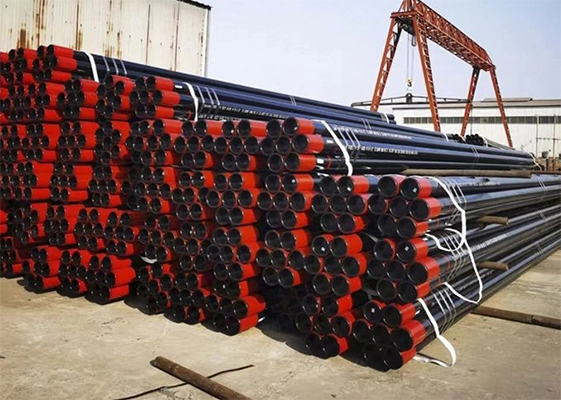
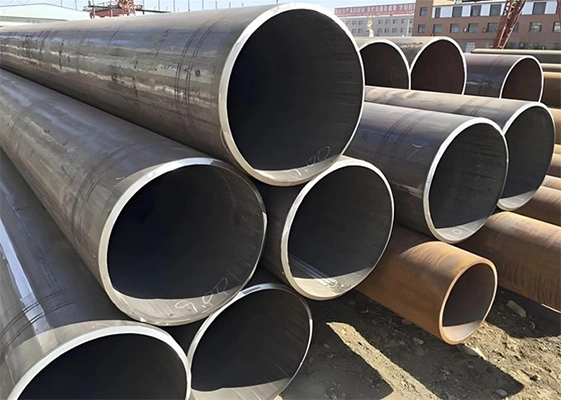
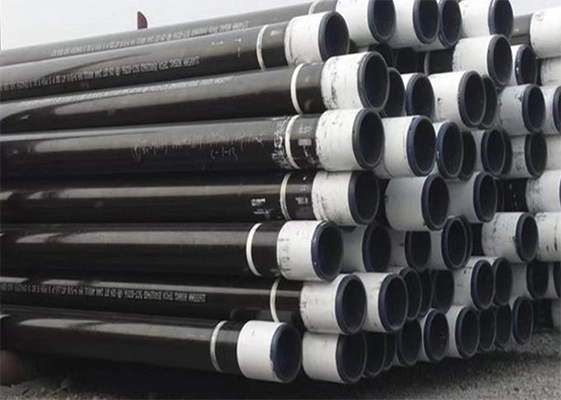
Oil casing is primarily made of steel, but can be divided into the following categories based on its chemical composition, microstructure, and properties:
1. Carbon Steel and Carbon-Manganese Steel
This is the most commonly used and largest type of casing, accounting for over 80% of all casing.
Features: Low cost, excellent welding and machining properties.
Applicable Environment: Primarily used in conventional well conditions with no or mild corrosion, such as shallow and medium-depth wells in most onshore oil fields.
Representative Steel Grades: H40, J55, K55, N80 (all types), etc.
2. Low-Alloy Steel (Corrosion-Resistant Casing)
Based on carbon steel, it is enhanced with the addition of small amounts of alloying elements (such as Cr, Mo, Cu, Ni, etc.) to improve its resistance to specific corrosion.
Features: Has a certain degree of resistance to hydrogen sulfide stress cracking (SSC) and carbon dioxide corrosion, and is stronger than ordinary carbon steel.
Applicable Environments: Corrosive environments containing trace amounts of H₂S and CO₂.
Representative steel grades: L80, C90, T95, C110, etc. These steel grades have strict controls on hardness, heat treatment, and chemical composition.
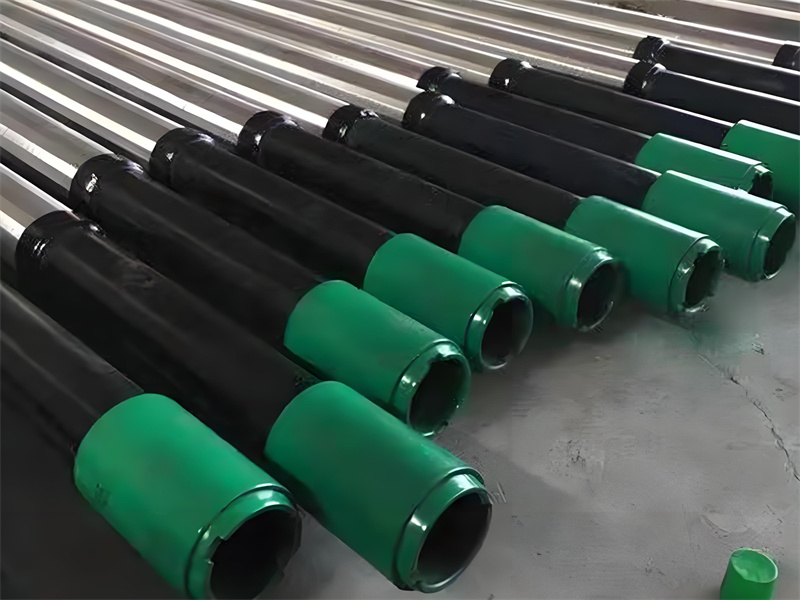
3. Stainless Steel
High content of alloying elements (primarily Cr and Ni) provides excellent corrosion resistance.
Features: Very expensive, but indispensable in extremely corrosive environments.
Applicable Environments:
High CO₂ concentration environments: Can cause severe "sweet corrosion."
High Cl⁻ concentration environments: Such as seawater or highly mineralized formation water, which are prone to pitting and crevice corrosion.
High temperature and high pressure environments.
Martensitic stainless steels: Such as 13Cr and Super 13Cr. High strength and good resistance to CO₂ corrosion, but limited resistance to SSC and localized corrosion caused by Cl⁻.
Duplex stainless steel (22Cr) and austenitic stainless steel (25Cr): Offer superior overall performance, resisting combined corrosion from CO₂, trace H₂S, and Cl⁻, and are suitable for the most demanding operating conditions.
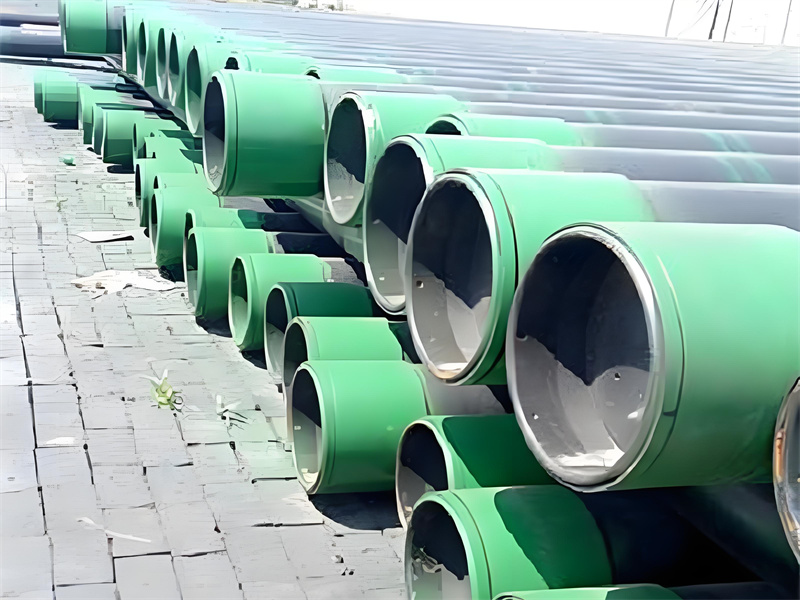
Steel Grade Classification
Steel grade is a designation that indicates the strength performance of casing and defines the minimum yield strength (MPa or ksi). The most commonly used internationally is the standard set by the American Petroleum Institute (API), which is critical for specifying reliable oil casing pipe.
API Steel Grades (Grouped by Strength)
API SPEC 5DP and 5CT standards define a series of steel grades. These grades are typically designated by letters and numbers, with the number representing the minimum yield strength (in ksi, 1 ksi = 1000 psi ≈ 6.895 MPa).
H Series: H40, J55, K55
Strength: Low strength (55 ksi grade, approximately 379 MPa).
Applications: Surface casing, shallow well casing.
N Series: N80
Strength: Medium strength (80 ksi grade, approximately 552 MPa).
Types: N80 has three types: N80-1 (default), N80-Q (quenched and tempered), and N80-Type C (composition-controlled). This is one of the most widely used steel grades.
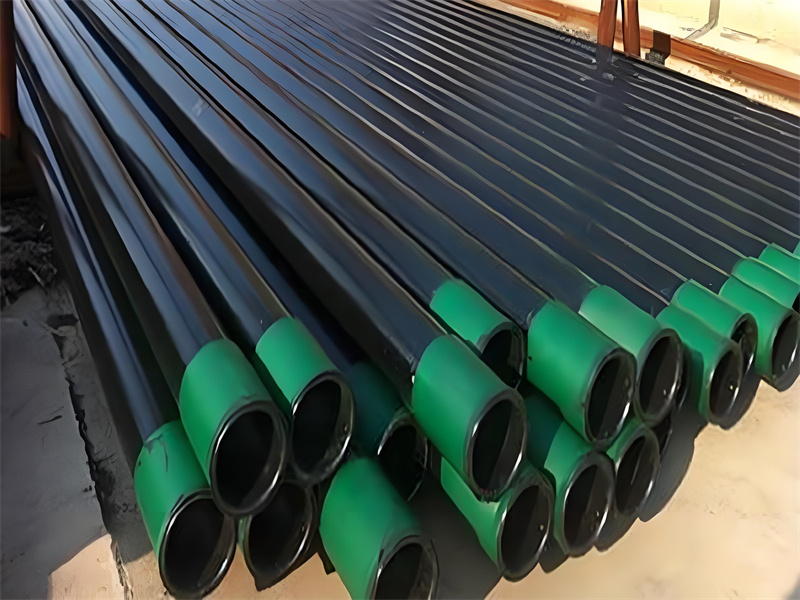
L, C, and T Series: L80, C90, T95, and C110
Strength: High strength (80-110 ksi grade).
Features: These are sulfur-resistant steel grades with strict upper hardness limits (e.g., HRC 22/23). They are specifically designed for use in corrosive environments containing hydrogen sulfide (H₂S) to prevent sulfide stress cracking (SSC).
Differentiations: L80 (low-cost sulfur resistance), C90 and T95 (higher sulfur resistance), and C110 (ultra-high-strength sulfur resistance).
P Series: P110
Strength: High strength (110 ksi grade, approximately 758 MPa).
Features: Non-sulfur-resistant steel grade. High strength, but not suitable for use in H₂S-containing environments. Commonly used for reservoir casing and technical casing in deep and ultra-deep wells.
Q Series: Q125
Strength: Ultra-high strength (125 ksi grade, approximately 862 MPa).
Features: It can be used in deep formations and complex geological conditions. It is divided into standard type and sulfur-resistant type (such as Q125-S).