English
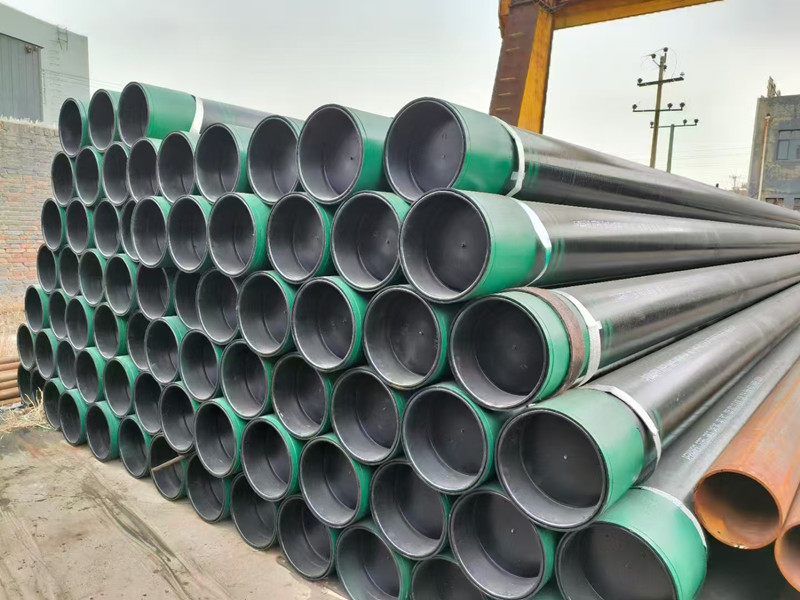
Casing and tubing are critical components in oil and gas wells, but they serve distinct roles. Casing consists of large-diameter steel pipes cemented into the wellbore to provide structural stability, prevent collapse, and isolate different geological formations. It ensures well integrity by withstanding high pressures and preventing fluid migration between zones. In contrast, tubing is a smaller-diameter casing and tubing pipe run inside the casing, primarily used to transport oil and gas to the surface. It is retrievable, allowing for maintenance, workovers, and production optimization techniques like gas lift or chemical injection.

Casing is thicker and stronger, designed to handle external pressures, formation stresses, and corrosive environments. It remains permanently cemented in place, forming a protective barrier throughout the well’s life. Tubing, however, has a thinner wall to maximize flow efficiency and is suspended inside the casing using a packer. While casing focuses on well stability and zonal isolation, tubing is optimized for fluid transport, corrosion resistance, and ease of retrieval during interventions.
Casing is installed in multiple layers (surface, intermediate, production, and liners) to reinforce the well at different depths. Surface casing protects freshwater zones, intermediate casing stabilizes unstable formations, and production casing ensures safe hydrocarbon extraction. Tubing, on the other hand, is the primary conduit for production, enabling efficient flow and allowing for downhole operations like logging, stimulation, or artificial lift. It can also be used in injection wells for waterflooding or gas injection in enhanced recovery processes.
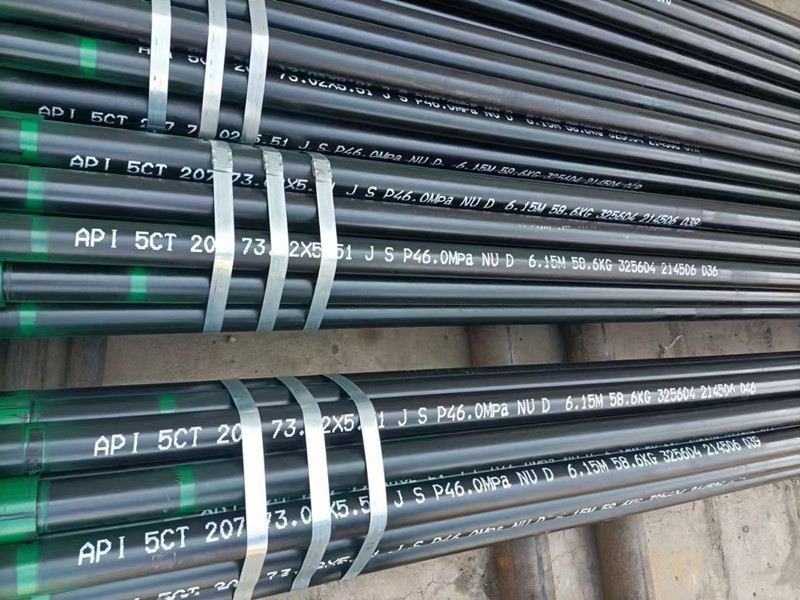
In summary, casing provides structural support and well integrity, while tubing facilitates hydrocarbon production and well interventions. Casing is permanent and designed for high-pressure containment, whereas tubing is replaceable and optimized for flow efficiency. Together, they ensure safe, efficient, and long-term well performance. Understanding their differences helps in proper well design, drilling, and production management.