English
The slotted casing pipe is a crucial component widely used in drilling and filtration projects. Its unique design and material properties make it highly efficient and durable. This article highlights the primary features of the slotted casing pipe that distinguish it from other types of casing pipes.
The most defining feature of the slotted casing pipe is its precision-engineered slots. These slots are uniformly cut to specific widths and patterns to ensure optimal filtration and fluid flow. The design minimizes clogging and allows the passage of water or hydrocarbons while filtering out sand and debris. The exact slot dimensions can be customized based on project requirements.
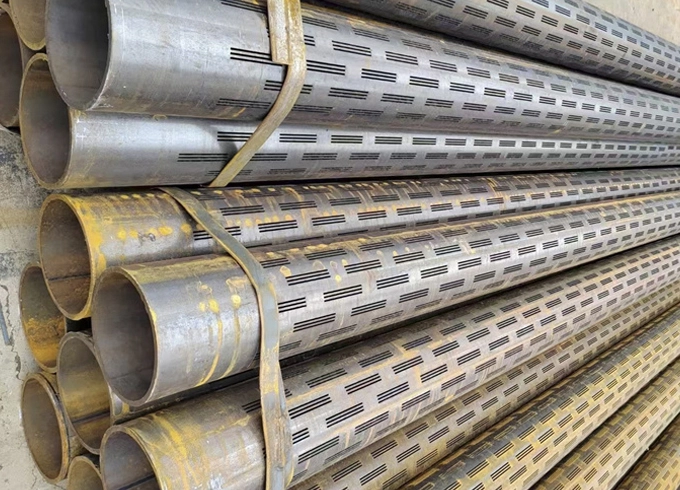
Slotted casing pipe is manufactured using high-strength carbon steel or stainless steel, which provides excellent mechanical strength and corrosion resistance. This ensures longevity even in harsh environments such as deep wells or saline groundwater. The choice of material also impacts the pipe’s resistance to wear and external pressures.
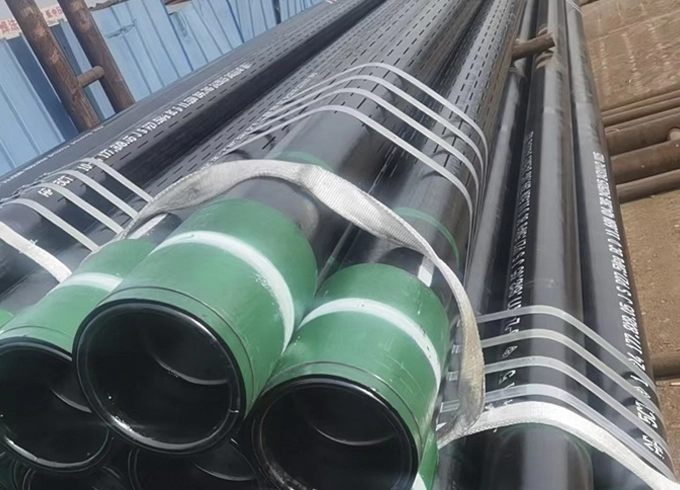
Despite the presence of multiple slots, the slotted casing pipe maintains robust structural integrity. The pipe is designed to withstand significant external loads and mechanical stresses encountered during drilling and operation. Its durability reduces the need for frequent maintenance and replacements, lowering overall project costs.
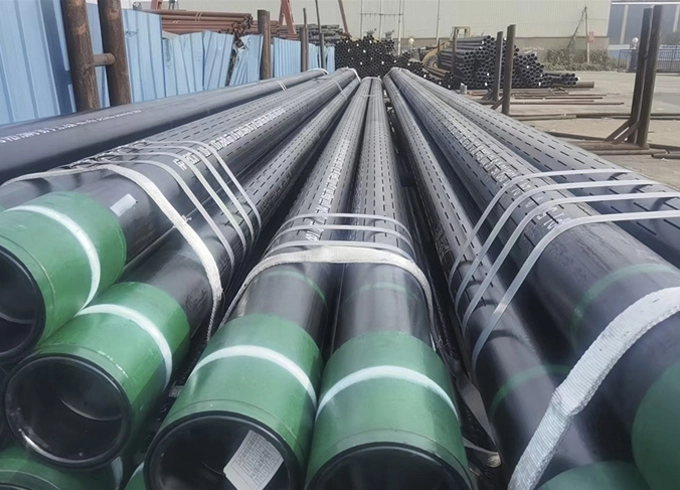
The slotted casing pipe's features make it highly versatile for various industrial uses. It can be customized in diameter, slot width, and length, allowing it to fit different drilling or filtration system specifications. This adaptability enhances its effectiveness across water wells, oil extraction, and environmental remediation projects.
| Feature | Description |
|---|---|
| Slot Design | Uniform, customizable slot widths |
| Material | Carbon steel or stainless steel |
| Strength | High mechanical strength and durability |
| Application | Suitable for water, oil, and environmental uses |
The slotted casing pipe stands out due to its precise slotting, material quality, strong structure, and adaptability. These features ensure its performance and reliability across diverse industrial applications.